
Why heat works when sprays don't
A bed bug can hide in a mattress seam, behind a headboard, inside an electrical outlet, or under carpet tack strip. A spray only kills what it touches. Heat doesn't care where they hide. Hot air moves into every void in the room, and once the temperature there passes 122°F, every insect and every egg in it dies. EPA guidance puts the lethal threshold for all life stages at 118°F held for 90 minutes, or 122°F for immediate kill, which is why professionals target room temperatures of 135°F or higher to guarantee the cold spots get there too.
There is no such thing as a heat resistant bed bug. That matters, because resistance to pyrethroid insecticides is now widespread, and it's the main reason chemical only plans need repeat visits.
What treatment day looks like
- Prep (1 hour). Pull the items on our checklist: candles, aerosols, medications, electronics, vinyl. Pull furniture a few inches off the walls and open drawers and closets so air can move.
- Ramp up (2 to 3 hours). Heaters run while the air movers circulate. You'll watch the wireless sensor readings climb from your phone or the base unit.
- Hold (4 to 6 hours). Once the coldest sensor passes 122°F, the clock starts. Holding for several hours lets the heat soak deep into mattresses, upholstered furniture, and wall voids.
- Cool down. Shut down, let the room return to normal, and vacuum up the dead bugs. Sleep in your own bed that night.
Why the sensors matter
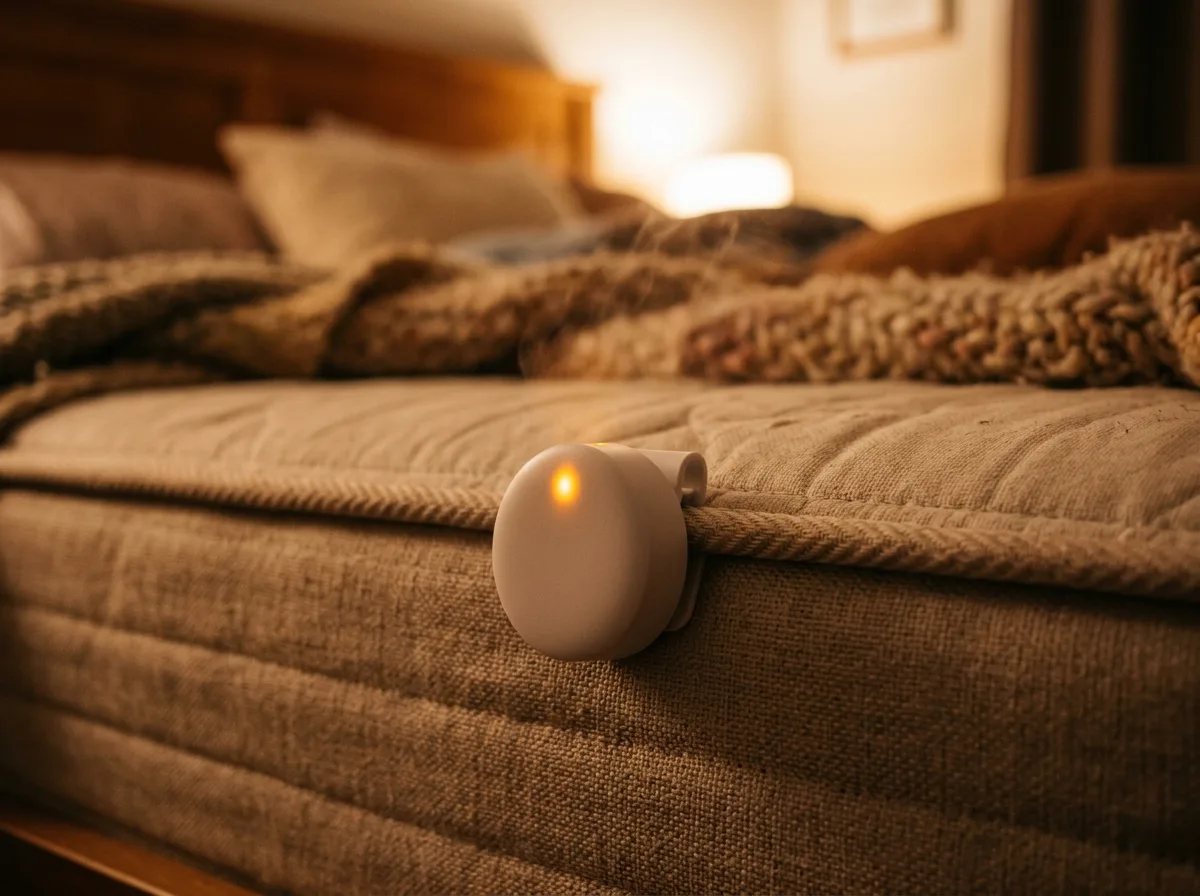
The most common DIY mistake is trusting a single thermostat by the door while the far corner behind the dresser never gets hot. Our kits ship with wireless sensors you place in the hardest to heat spots: under the mattress, inside a closet, behind a nightstand. When the lowest reading crosses 122°F, you know the whole room did.
What heat doesn't do
Heat leaves no residue, so it can't stop a new bed bug from arriving later on luggage or used furniture. Every kit includes a prevention checklist: mattress encasements, interceptor cups under bed legs, and a simple inspection routine after travel.